OOH Advertising Delivers 2x the Performance Lift of TV
A new OAAA and Kochava study found that OOH advertising delivers stronger measurable outcomes than CTV and broadcast TV, driving higher in-person visits, digital engagement, and sustained consumer action.
Topics
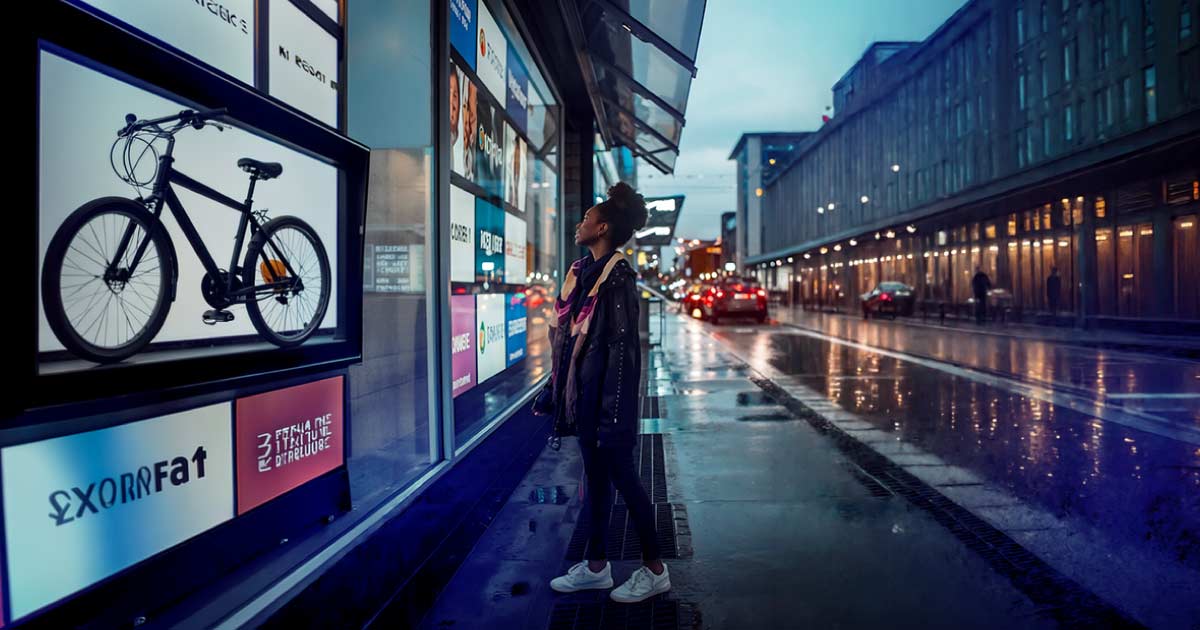
As brands face increasing pressure to prove measurable business outcomes from every media investment, marketers are reassessing the role of traditional awareness channels in driving real performance.
Out-of-home (OOH) advertising, long associated with brand visibility and mass reach, is now emerging as a measurable performance driver capable of influencing both physical and digital consumer actions.
A new industry study from the Out of Home Advertising Association of America, conducted in partnership with Kochava, reinforces out-of-home (OOH) advertising’s role as a high-performing, measurable media channel in today’s outcome-driven marketing landscape.
The report, OOH – A Valuable Performance Medium, analyses device-level data across hundreds of campaigns spanning seven verticals, including retail, automotive, quick service restaurants, and media and entertainment.
The findings demonstrate that OOH not only drives strong in-person outcomes like store visits but also delivers measurable digital impact across website visits, app downloads, and other conversion actions.
“At a time when marketers are under pressure to prove performance, this study makes one thing clear: OOH delivers,” said Anna Bager, President & CEO of OAAA.
“The channel is no longer just about reach and awareness. It is a powerful driver of real-world and digital outcomes, with a measurable impact that stands up against other major media channels.”
OOH Outperforms Traditional Channels
The study found that OOH consistently outperforms both connected TV (CTV) and broadcast television in driving incremental lift. Campaigns leveraging OOH delivered a median lift of 20% for in-person outcomes and 14% for digital outcomes, compared to approximately 10% for both CTV and broadcast TV.
These findings reinforce OOH’s ability to drive measurable lift across both in-person and digital outcomes, positioning OOH as one of the most effective channels for marketers seeking measurable performance across both physical and digital environments.
“What stood out in this analysis is how clearly OOH drives measurable, incremental outcomes across both physical and digital environments,” said Grant Simmons, VP Kochava Foundry.
“When you combine sustained engagement and more comprehensive attribution windows, the performance story becomes much more complete. OOH is not only competitive with other channels, it consistently delivers stronger impact when measured holistically.”
Frequency Drives Performance
One of the most significant drivers of OOH effectiveness is frequency. OOH to digital action outcomes show a 7.1x conversion rate increase from 1 to 10 ad exposures — the steepest frequency curve of any media type measured.
Unlike some media where frequency shows diminishing returns, OOH digital outcomes benefit dramatically from sustained frequency buildout. OOH’s passive, contextual nature means repeated exposures build consideration without irritation — a true competitive value.
The report suggests that repeated exposure helps strengthen brand recall and keeps products or services top-of-mind as consumers move through their daily routines.
This sustained visibility enables OOH campaigns to influence both impulse decisions and longer-term purchase consideration, particularly when placements are aligned with high-traffic environments and relevant audience behaviours.
For marketers, the findings highlight the importance of maintaining consistent campaign visibility over time rather than relying solely on short bursts of activity.
Sustained Demand Extends Beyond Initial Exposure
Unlike other channels that see a rapid drop-off after initial exposure, OOH delivers sustained engagement over time. The study highlights a recurring seven-day cycle in consumer response, where conversions resurface on a weekly basis following ad exposure.
Additionally, OOH maintains demand longer than competing channels, with digital outcomes continuing well beyond the initial interaction window. This extended impact means traditional short attribution windows often undervalue the true performance of OOH campaigns.
The report indicates that consumers frequently engage with brands days after exposure, suggesting that OOH plays a significant role in delayed decision-making journeys. Whether through store visits, website traffic, or app activity, the influence of OOH continues to build over time rather than fading immediately after exposure.
Top Verticals Demonstrate Strongest Returns
The analysis identified retail, automotive, and quick service restaurants (QSRs) as top-performing categories for OOH, with median lift reaching as high as 25% in retail environments.
Additionally, in individual large-scale QSR studies, OOH is observed preceding Search 96% of the time and Social 94% of the time, illustrating how last-touch attribution masks OOH’s role in generating lower-funnel demand and action.
These sectors benefit from OOH’s ability to influence both immediate and planned consumer behaviour, particularly when campaigns are optimised for location and frequency.
As marketers continue to prioritise measurable outcomes and efficiency, the findings underscore OOH’s expanding role within the modern media mix. With the ability to drive both in-person and digital conversions, OOH is increasingly being evaluated alongside performance channels, not apart from them.
The study reinforces a broader shift in how performance is defined, positioning OOH as a channel that delivers both immediate impact and sustained consumer action over time.
ALSO READ: Breaking the ‘Walled Garden’ Habit in Mobile Performance