The marketing discourse has long been debating the changing definitions of loyalty in regard to rewards programmes, and how the focus must shift away from transactional benefits to emotional ones.
Sephora’s Beauty Insider has been celebrated as an example of this shift towards live beauty trials, encouraging tutorials, and social shares that drive community trust.
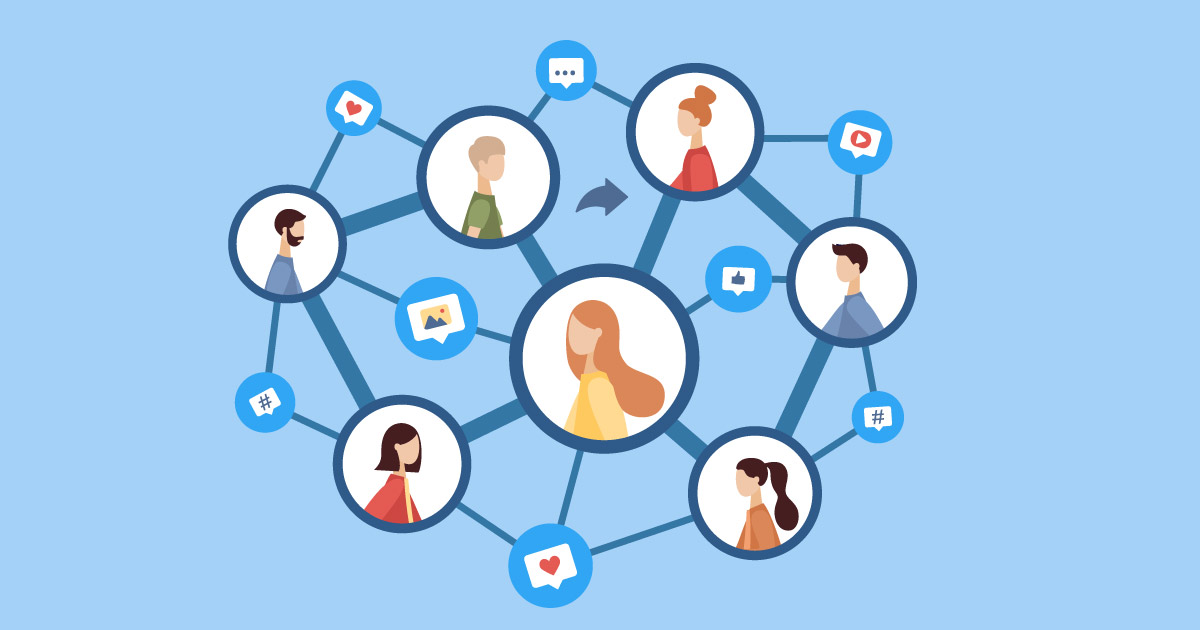
Content and loyalty incentives come together to fuel this evolution. It reframes loyalty from “earn points for purchases” to “earn status and rewards for advocacy.”
It’s about turning customers into storytellers, where their voices build trust, extend reach, and deepen lifetime value. “It’s great for brand visibility as authentic advocacy is a key driver for conversion,” says Casey.
“Loyalty is becoming less about offers and discounts and more about feeling understood and valued. People want to feel that they are part of a two-way value exchange and be rewarded for that.”
Offering points for reviews is a strong starting point, but the real impact comes from rewarding quality as well as quantity. For example, offering additional incentives for photo or video reviews can significantly improve conversion on product pages.
It’s also important to introduce quality thresholds so content is detailed and useful, rather than just high volume. Ultimately, the goal is to reward behaviours that influence other customers, not just generate activity, he says.
Tie Progression to Meaningful Behaviours
Brands that tie in gamification elements see added engagement.
Starbucks, long hailed as a leader in earning loyalty, launched Odyssey in 2022, a Web3-enabled extension of the existing Starbucks Rewards program. It allowed customers to participate in Journeys in the form of interactive games, virtual tours, and challenges designed to teach them about coffee and brand history.
The campaign rewarded members with digital collectable Journey Stamps and Odyssey Points in the form of NFTs, which could be used to unlock exclusive experiences.
Tiered programs are a strong example, as they create a sense of progression and exclusivity that encourages repeat engagement and higher spend.
“The most successful programs tie progression to meaningful behaviours, whether that’s purchases, referrals or in-store activity. Adding elements like increased competition or prize draw entries for top-tier members can also increase ongoing engagement,” says Casey.
“The key is to keep it intuitive and rewarding, rather than overly complex.”
Misconception that Loyalty is Difficult to Measure
Loyalty programs can be complex, but with the right loyalty tools, brands can track revenue driven by every part of a loyalty program, from email engagement through to referrals and reward-driven purchases.
“It’s also crucial to understand and compare the value of different loyalty segments – i.e. have a clear view of the purchase frequency of a redeeming program member versus a non-member so you can see the full impact your program is having,” adds Casey. “The bigger shift is in what you choose to measure.”
In Casey’s view, the value exchange strategy is a mindset change. Campaign measurement must explore if customers are not only buying more often, but also leaving reviews, referring others, and actively advocating for the brand. “The bigger picture looks at the impact outside just repeat purchases.”
The Short and Long-term Gain
There’s growing pressure across industries to tie every marketing activity back to ROI through measurable conversions.
This shift, perhaps driven by tighter budgets and increased scrutiny of performance-driven channels, demands that attribution be more transparent and that the impact on the bottom line be more obvious.
“Loyalty-attributed revenue allows brands to track purchases influenced by rewards, loyalty components, campaigns and program engagement,” says Casey.
He adds, beyond that, metrics like customer lifetime value and purchase frequency help quantify the long-term impact, especially when compared across different customer segments.
Brands that incentivise engagement with content, such as blogs, guides or product pages, make it possible to measure how content contributes to conversion and retention over time.
With the rise of answer engine optimisation, customer advocacy is becoming “a key driver of visibility”.
“These platforms prioritise trustworthy, human signals, so genuine reviews and real customer experiences are increasingly shaping which brands are surfaced,” adds Casey.
That means loyalty now plays a dual role. It drives retention, but it also drives discovery. People share reviews of brands they love. They refer to friends. The brands that invest in authentic customer advocacy are the ones most likely to be found.
ALSO READ: Connected Packaging Goes Big with Gamified Brand Storytelling