Technology Changes Rapidly, But Culture Determines Trends
According to Katie Soo, companies that can anticipate cultural shifts, build trust across communities, and create genuine connections will have a significant advantage in a world where technology itself becomes increasingly accessible.
Topics
Artificial intelligence has become the centrepiece of business strategy.
Organisations are racing to deploy generative AI across marketing, customer experience and operations, hoping to gain an advantage before competitors catch up. Yet as AI models become more accessible and increasingly similar in capability, the technology itself is likely to become less of a differentiator.
At the same time, businesses are operating in an environment where misinformation spreads faster, AI-generated content floods digital channels, and stakeholders expect greater transparency than ever before.
In this landscape, reputation, credibility and trust are becoming strategic assets that influence everything from customer loyalty and employee engagement to investor confidence and long-term growth.
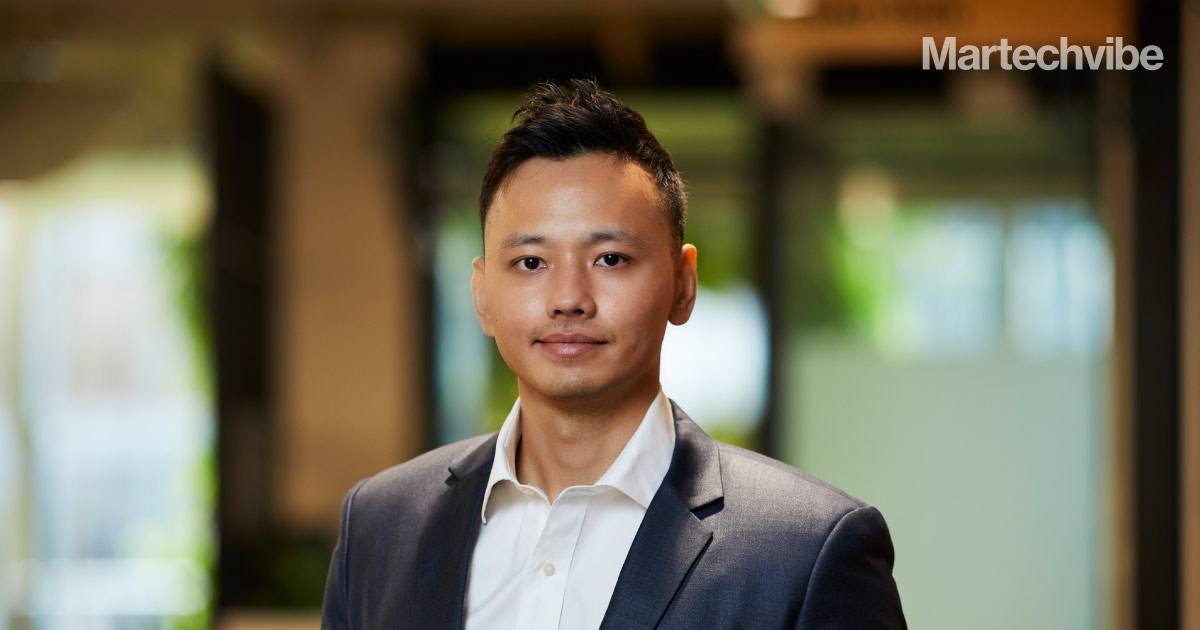
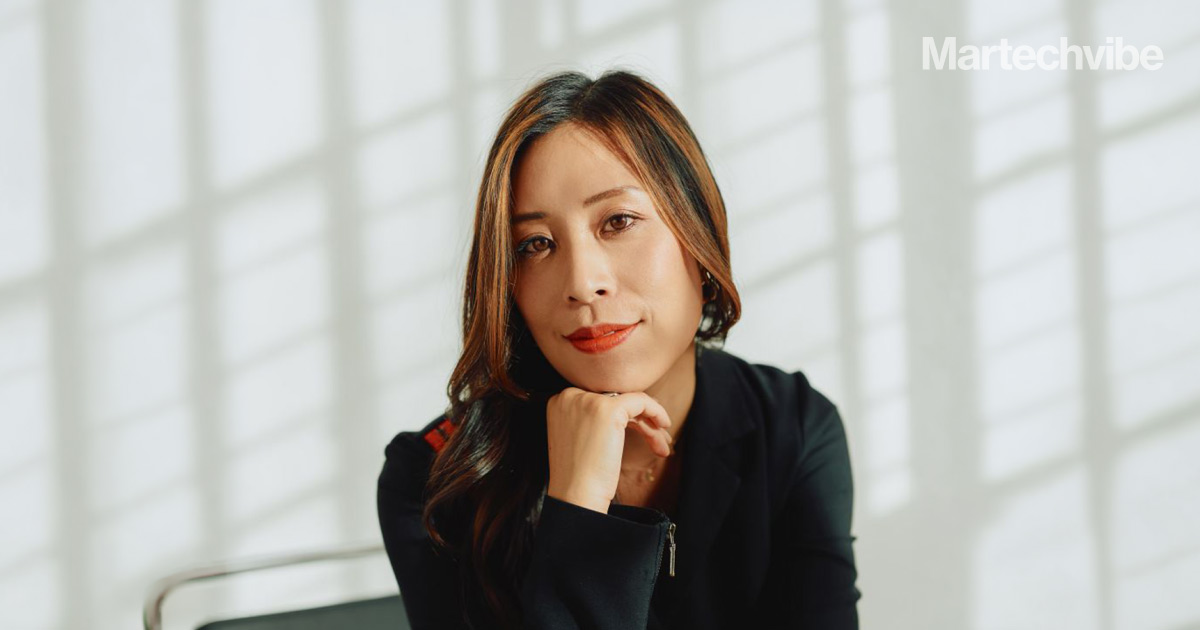
For Katie Soo, a media, technology and cultural strategist who has led transformation at HBO Max, Hulu, Warner Bros., Digital Networks, and Dollar Shave Club, the next decade will belong to those who combine technological innovation with trust, cultural relevance and responsible leadership.
In this interview, Soo explains why AI is destined to become commoditised, why culture will shape the next wave of business success, how brand credibility is evolving in the age of AI-generated content, and why trust has become a boardroom priority rather than simply a marketing objective.
Excerpts from the interview;
Many executives view AI as a competitive advantage. Do you see AI itself becoming commoditised, making trust the more durable differentiator?
Absolutely. AI will become increasingly commoditised. The models will improve, costs will come down, and adoption will continue to expand. We’ve seen this pattern before with cloud computing, social media, and mobile tech.
What starts as a competitive advantage eventually becomes table stakes as more people use it and normalise it in everyday usage.
The more interesting question is what happens after that. As the barriers to creating content, products, and services come down with AI — trust and safety become exponentially more valuable.
When information is abundant, and we’re already seeing it with AI clutter, people look for signals that are familiar, and they can rely on… which signals they will gravitate toward brands, leaders, and institutions that have earned credibility over time.
The companies that win in the AI era won’t just be the ones with the best technology. They will also be the ones who combine technology with trust, data privacy, and a clear sense of purpose.
AI can scale intelligence, but it cannot manufacture trust and safety.
You’ve operated at the intersection of media, technology, and culture. Which of those forces do you think will have the greatest influence on business success over the next decade, and why?
Culture. Technology changes rapidly, but culture determines trends and the rate of adoption. The most successful companies understand that people don’t embrace technology because it exists—they embrace it when it aligns with their personal values, behaviours, and aspirations.
Throughout my career, whether launching streaming platforms, scaling consumer brands, or advising founders, I’ve seen the same pattern: technology creates possibilities, but culture determines relevance and how rapidly one adopts it into their lifestyle.
The next decade belongs to leaders who understand how to translate technological innovation into meaningful human experiences.
Companies that can anticipate cultural shifts, build trust across communities, and create genuine connections will have a significant advantage in a world where technology itself becomes increasingly accessible.
As AI-generated content floods every channel, what happens to the value of brand reputation and credibility, and how do you see that evolving over the next few years?
I believe reputation will become one of the most valuable assets a company can possess.
We’re entering an environment where content is abundant, and attention is scarce. When consumers are confronted with an endless stream of AI-generated information and content, they’ll increasingly rely on trusted brands or people as filters.
In many ways, brand is becoming infrastructure. It helps people navigate uncertainty and make decisions with confidence. The organisations that invest in transparency, consistency, and authentic relationships with their audiences will be better positioned than those that simply optimise for reach or short-term engagement.
In the years ahead, credibility won’t just support growth; it will accelerate it.
Trust has become a recurring theme across marketing, technology, and investing. Why do you think trust is moving from a brand issue to a business issue?
Because trust now affects every part of an organisation’s performance.
Trust influences customer acquisition, employee retention, regulatory relationships, investor confidence, and long-term enterprise value. It is no longer confined to marketing or communications.
The reality is that every company today is operating in a far more transparent environment than ever before. Decisions are scrutinised in real time by customers, employees, investors, and the public.
As a result, trust has become a strategic asset. It affects how quickly organisations can innovate, how effectively they can navigate disruption, and how resilient they are during periods of uncertainty.
The strongest companies understand that trust isn’t a campaign. It’s an operating principle.
If you were advising a CEO today, what would concern you more: falling behind in AI adoption or losing the trust of customers, employees, and investors?
Losing trust. Period.
A company can catch up on technology. It is much harder to rebuild credibility once it has been lost. That doesn’t mean leaders should ignore AI. Organisations need to move aggressively to understand and implement new technologies.
But AI should be viewed as an accelerator, not a substitute for sound leadership and decision-making principles.
The CEOs who will thrive over the next decade are the ones who recognise that innovation and trust are not competing priorities that can be traded at various stages of growth.
They are symbiotic and when leveraged together, it creates an ecosystem where technology creates efficiency and scale, and trust creates resilience and longevity.
ALSO READ: The Shift from ‘More Partners’ to ‘Fewer, Better Ones’