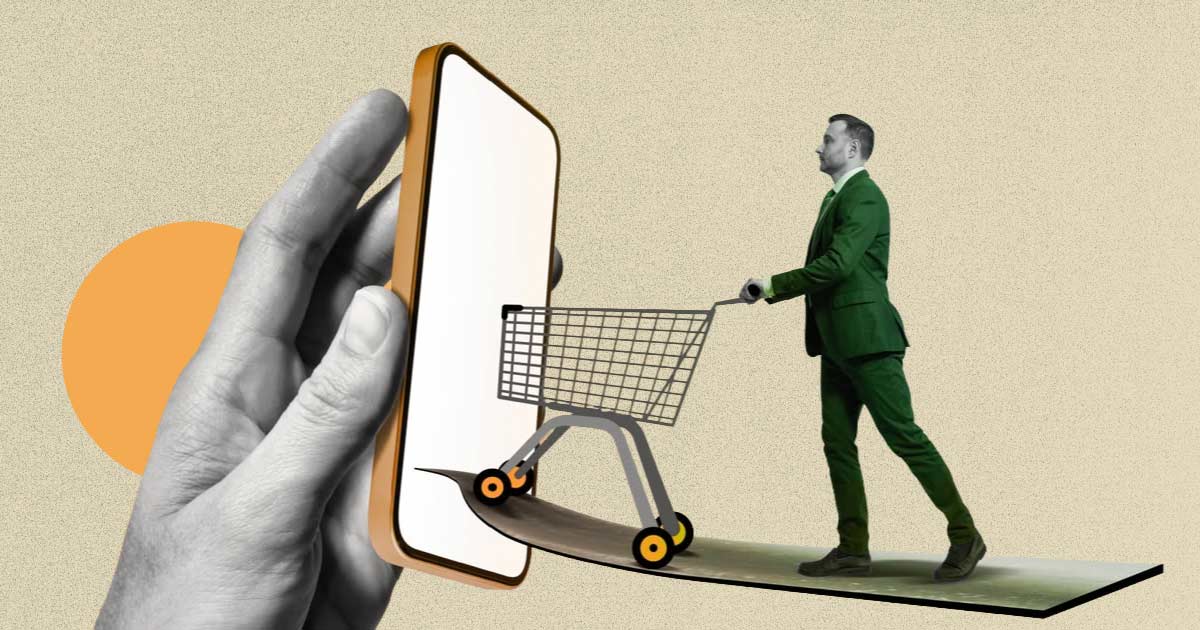
Holiday Shoppers are Choosing In-Store Experience Over Screens
The report finds US consumers have tighter budgets, growing AI influence and high customer experience expectations heading into the holiday season
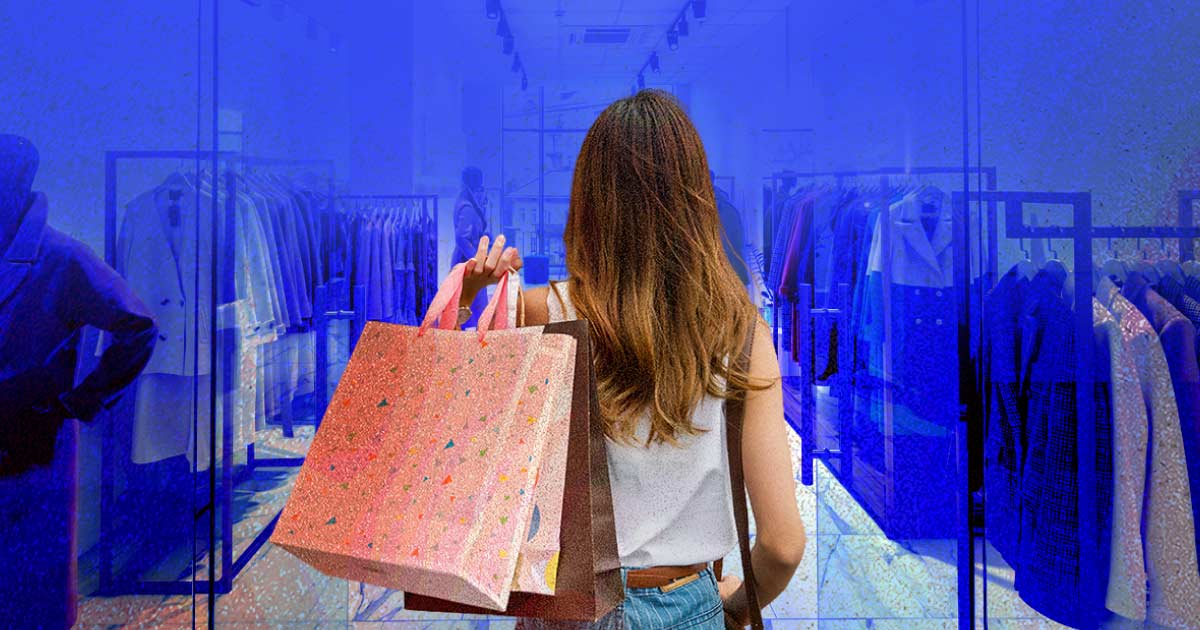
As retailers prepare for the year’s busiest shopping period, consumers are entering the holiday season with tighter budgets, higher service expectations and a growing reliance on AI for purchase decisions.
Yet despite the continued growth of digital commerce, many shoppers are planning to return to physical stores, signalling that convenience alone is no longer enough to win customer loyalty.
Alchemer, a company in technology for feedback and customer experience and intelligence, has released its 2026 Holiday Shopper Report.
Based on a survey of more than 1,000 US consumers, the report examines the behaviours, expectations and frustrations expected to shape the 2026 holiday shopping season. Among the findings, the report reveals that more consumers plan to shop in person at brick-and-mortar stores than make purchases online this year.
“Our research shows that shoppers don’t expect retailers to reinvent the shopping experience; they just want them to get the basics right,” said Brian Henley, Vice President of Research Services, Alchemer.
Consumers are Returning to Physical Stores
The research suggests that in-store shopping will outpace online purchasing during the 2026 holiday season, reflecting consumers’ preference for more tangible shopping experiences.
- 35.8% of shoppers plan to shop primarily in physical stores
- 31.1% expect to shop online through retailer websites and apps
- 19.2% anticipate an even mix of online and in-store shopping
Inflation Continues to Shape Holiday Spending
Economic uncertainty remains the dominant factor influencing holiday purchasing decisions, with consumers becoming increasingly selective about where and how they spend.
- 38.2% say tighter household budgets will have the biggest impact on holiday spending
- 27% expect rising prices to influence their purchasing decisions
- Nearly 69% rank price and value among the most important purchase considerations
- Significant price increases remain the leading reason consumers would stop shopping with a retailer they otherwise like
Poor Store Experiences Continue to Drive Customer Frustration
Operational shortcomings remain one of the biggest threats to customer satisfaction during the holiday season.
- 41% identify out-of-stock products as their biggest frustration
- 32.3% cite hidden checkout fees
- 30.6% point to slow checkout experiences
- 47.7% never provide feedback after a poor shopping experience because they believe it will not result in meaningful improvements
AI Adoption Grows, but Consumer Trust Lags
Artificial intelligence is becoming a more common part of the shopping journey, particularly during product research. However, consumers remain cautious about relying on AI-generated recommendations.
- 48.5% used an AI tool to research a purchase over the past year
- Only 35.4% trust AI-generated shopping recommendations
- 42% believe online reviews may be fake or influenced by AI
Retailers Must Focus on the Fundamentals
The report concludes that while AI is reshaping product discovery and digital shopping experiences, the fundamentals of retail remain the strongest drivers of customer loyalty.
Competitive pricing, product availability, transparent checkout processes and responsive customer service continue to outweigh technological innovation in consumers’ purchase decisions.
“Consumers are spending more carefully, using AI more often and expecting every interaction to be seamless. Retailers that offer a great experience in store and online while delivering good value will have a clear advantage this holiday season,” added Brian.
The full 2026 Holiday Shopper Report: 7 Key Loyalty Insights explores seven priorities retailers should address before the holiday season, including pricing strategy, service recovery, AI adoption, frontline employee experience management, customer reviews and closing the feedback loop.
ALSO READ: Autotrader’s CCO on Why Car Buying is Moving from Leads to Intent