Mixpanel’s research found that 3 out of 4 teams reported different figures for the same metric. That inconsistency becomes more consequential when AI tools are being used to interpret data or recommend action. Without agreement on what a metric means, faster analysis can lead to faster confusion.
Gupta discussed Verified Mode as one way to address the issue, allowing organisations to designate approved metrics and give teams a shared reference point. The Context Engine was also designed to bring together events, metrics, dashboards and business knowledge, including information held in tools such as Jira, GitHub, Linear and Notion.
But reliable data is only one part of the decision-making process. Gupta also spoke about making experimentation easier to carry out. Mixpanel Agent can suggest experiments, identify relevant cohorts and help teams define success measures. Web Experiments, meanwhile, allows teams to test changes to website content without requiring a production deployment for every adjustment.
“The thing that we care deeply about is to make it so freaking easy for you that there’s no reason why any change you make is not an experiment that you ship,” he said.
The broader objective is to shorten the distance between identifying an opportunity, testing an assumption and understanding the result. That process still requires teams to establish what they want to learn and how they will judge success.
Product Experiences Must Work for People and AI Agents
The discussions also raised a new consideration for product teams: their products are increasingly being used by AI agents as well as people.
Garbers cited a 1,000% increase in agent traffic on the Mixpanel platform between September and October. Agent sessions were also generating around five times as many events per session as human sessions. The figures point to a change in how digital products are being discovered, accessed and used.
“Very soon we are all going to have to be thinking about and building for our customers’ agents as first-class users of our products,” she said.
That shift has implications for product design. Garbers said teams need to consider whether their experiences are understandable and usable by both audiences.
Some of the considerations include:
- Clear information: Agents need access to accurate, structured information about a product, its features and how it works.
- Machine-readable experiences: Product information, specifications and pricing need to be easy for systems to interpret, not just visually appealing to human visitors.
- Measurable outcomes: Teams need to understand whether agent interactions lead to meaningful actions, rather than measuring activity alone.
- Consistent experiences: As agents become another route through which people interact with products, organisations need to account for those journeys in their product and measurement strategies.
The shift also raises questions about how organisations evaluate product performance. Traditional measures built around human sessions may not fully explain what is happening when agents carry out multiple actions on a user’s behalf.
For Gupta, experimentation and measurement will remain important as these new patterns emerge. Teams will need to test how products perform for different types of users and understand which interactions contribute to the outcomes they want.
The Advantage Lies in Understanding What Customers Need
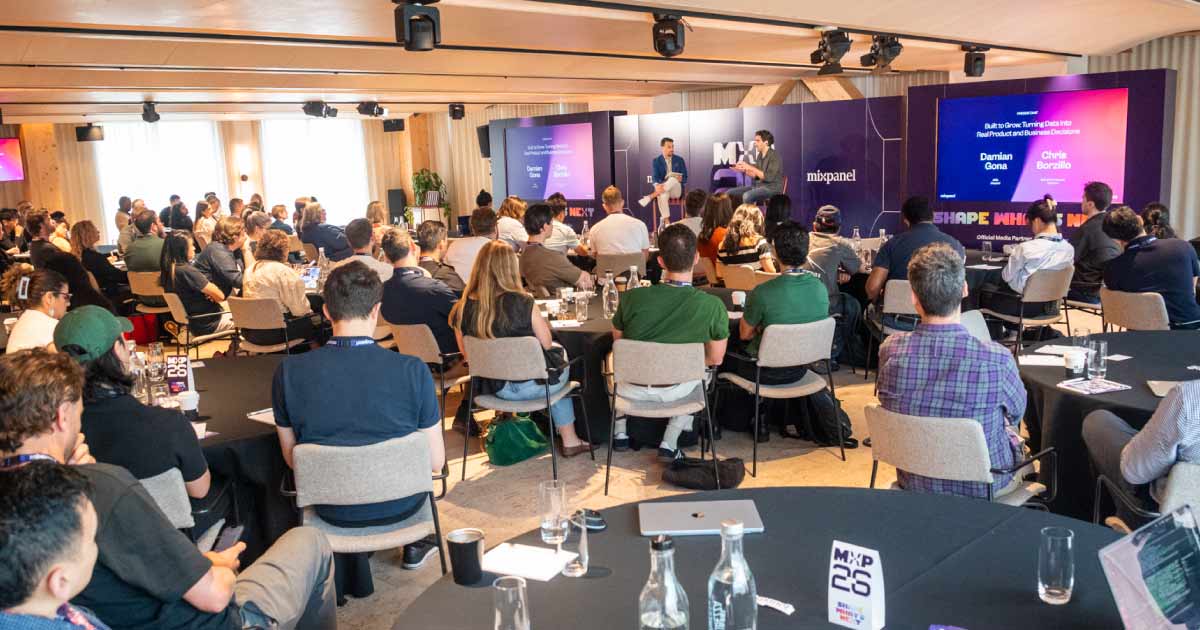
The discussions at MXP 2026 Sydney pointed to a shift in what effective product leadership requires. As AI takes on more analysis and execution, teams will need to be clearer about the problems they are solving, the outcomes they expect and the evidence behind their decisions.
- Taylor‘s argument was that product intelligence should not remain the preserve of specialist analysts;
- Garbers emphasised the need to understand customer behaviour, both human and agentic;
- Gupta highlighted the importance of reliable data and experimentation.
Together, their perspectives placed customer understanding at the centre of product development.
The challenge for organisations is to make these practices part of everyday decision-making, rather than isolated activities. AI may shorten the path from an idea to a product release, but the real measure of progress is whether that release makes a meaningful difference to customers.
ALSO READ: Retail Media and the Post-Click Blind Spot for CPG Brands