“That opt-in quality is why connected packaging consistently outperforms digital advertising benchmarks, and why the data it captures carries such commercial value.”
Brands are leaving millions on the table by treating connected packaging as a redirect button, notes Stanley. “They often treat it as a digital shortcut rather than recognising it as a genuinely distinct media channel with its own value and metrics.”
This seems to be changing.
According to the Global Connected Packaging Survey 2026, a report by Appetite Creative, in partnership with Koenig & Bauer AURAVEO, 92.3% of those surveyed say that connected packaging will be increasingly important to the packaging industry in the next 12 months and beyond, up from 88.8% in 2025.
Adoption of connected packaging has rebounded with 81.2% of companies currently using the technology, up from 72.6% last year. Respondents consider connected packaging important for a few reasons, including data collection (60.9%), enabling compliance (e.g., GS1, digital passports, etc.; 60.7%), sustainability (60.4%), marketing and customer loyalty (60.2%), and driving engagement (57.8%).
Follow the Investments
Based on the report, 75.7% are increasing their digital marketing spend in 2026.
Interestingly, consumer engagement through gamification is on an upward trajectory, with 67.7% of participants now incorporating gaming elements into campaigns, up from 59% in 2025. Mobile games (52.1%), quizzes and trivia (48.9%) and AR-based games (42.3%) are the leading formats.
The primary goal for gamification remains the promotion of new products or services (47.2%), followed by gathering consumer insights (23.4%) and brand awareness (17.7%).
Modern consumers want more than static labels, and brands are waking up to treat packaging as more than a container.
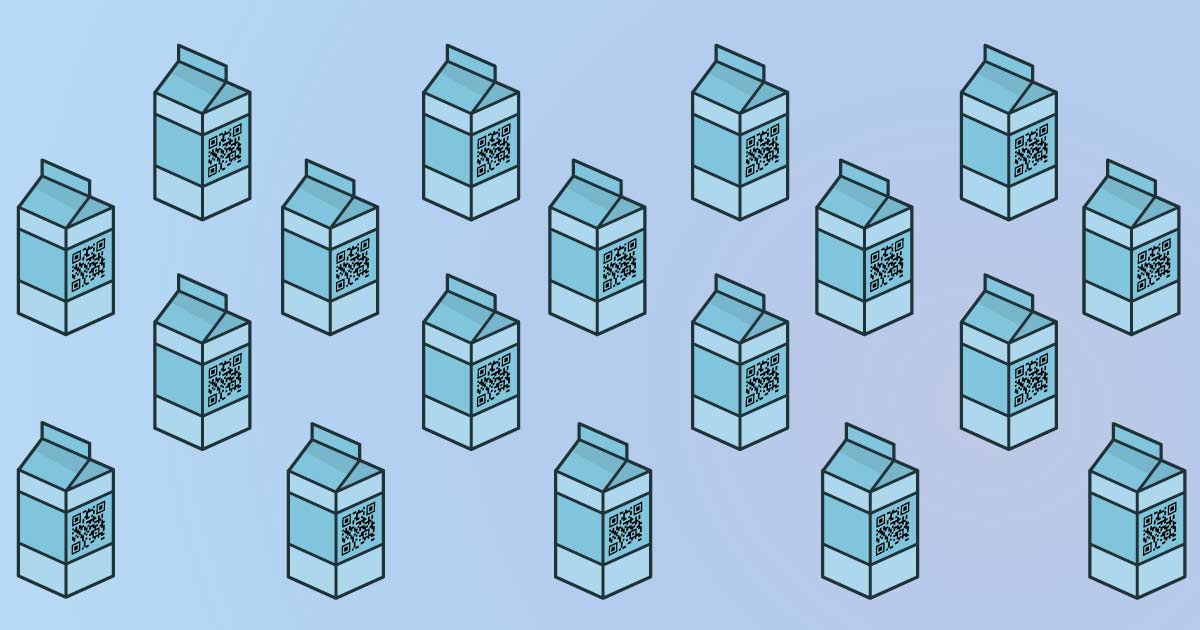
Customers open up rich, dynamic experiences that go beyond basic product details when they scan the product. While traditionally these QR codes and NFC tags helped brands share access to ingredient lists, sustainability certifications and ethical sourcing information, they are now going beyond to bridge the physical and digital campaigns.
They do this by embedding interactive content such as video tutorials, behind-the-scenes stories, loyalty program sign-ups, customer surveys, and gamified quizzes.
Adaptive Experience Anchored to a Physical Product
“Most consumables are never decanted, so the packaging becomes part of the consumer’s ongoing relationship with both product and brand. That opt-in context is completely unlike the usual interruptive environment of digital advertising, and it changes everything about what you can achieve with the media channel,” adds Stanley.
In 2025, Stanley’s team worked on Coro’s fruit juice brand Suntop × ONE PIECE collaboration across Saudi Arabia for a Mega Back to School 2025 initiative.
Consumers scanned the QR code on limited-edition Suntop packages to participate in an instant-win experience, offering prizes such as trips to Japan, PlayStation 5 consoles, tablets, One Piece Funko Pops, and downloadable digital wallpapers.
Every participant received a guaranteed digital reward, making reinforcement a quick win. This collaboration represents a dynamic fusion of anime-inspired branding and packaging technology that worked to combine entertainment, interactivity, and rewards.
The medium lends itself to interact with consumers post-purchase.
“Connected packaging captures real-time consumer behaviour at the precise moment of product use. It’s not modelled data, nor third-party estimates, but first-party information brands own outright, contrasting with the rented audiences of traditional digital platforms.”
From a single campaign, brands can collect scan rates, session duration, page views, geographic location, age demographics, buying habits, product preferences, flavour or variant scanned, return visit frequency, and social shares.
The entry of FMCG brands into using gamified storytelling is particularly interesting to note.
The biggest brand challenge in 2026 is fragmentation in messaging across multiple channels, and the current discourse in retail boardrooms revolves around creating seamless phygital experiences.
Perhaps this is what is driving the shift for smart packaging – from a single digital touchpoint to a dynamic, adaptive experience anchored to a physical product. Forward-thinking brand leaders are now focused on identifying existing assets that can do more, and packaging plays a significant role.
Its role is elevated here in not just connecting to a digital experience once, but sustaining repeat visits longer-term.
ALSO READ: Intelligent Architecture Is the New Driver of Marketing Success