GCC Ecommerce Set to Grow 10% for Eid al-Adha 2026
New research suggests GCC ecommerce spending could rise by up to 10% during Eid al-Adha 2026, as consumers increasingly prioritise local brands, meaningful gifting, and value-driven purchases.
Topics
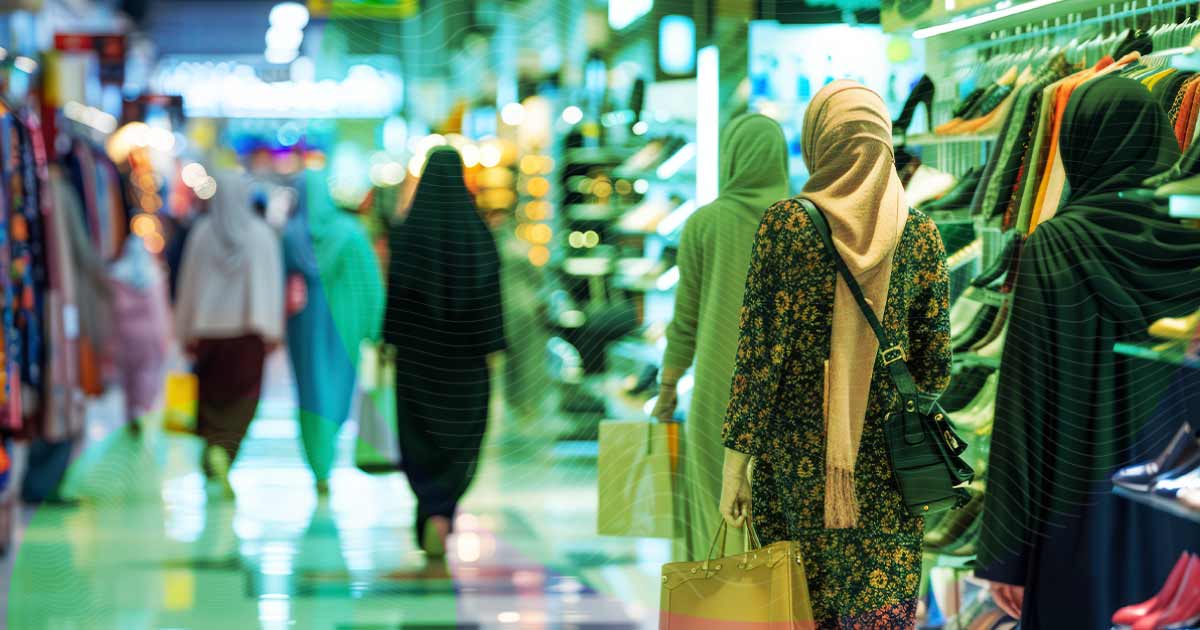
As inflationary pressures and shifting travel patterns reshape consumer priorities across the Gulf, Eid al-Adha is increasingly becoming a reflection of how residents choose to spend closer to home.
What was once driven largely by festive promotions and impulse buying is now evolving into a more intentional form of ecommerce, centred on household value, culturally meaningful gifting, and support for local businesses.
New data from Udora in collaboration with Admitad suggests that Eid al-Adha 2026 could mark another turning point for regional digital commerce, with shoppers across the GCC expected to increase online spending while favouring brands and products that feel more personal, familiar, and locally connected.
According to the report, regional ecommerce spending is expected to grow by 10%, driven by mature digital infrastructure and a clear consumer tilt toward homegrown businesses.
The findings are based on first-party ecommerce data analysis, including 400,000 orders across the GCC on Admitad and 100,000 Udora gifting orders in the UAE.
A Strong 2025 Sets the Baseline
The forecast follows a particularly strong 2025 season across the GCC, where Eid al-Adha generated a significant economic effect. Last year, ecommerce turnover grew 27% year-on-year, with average order value (AOV) rising from $67 to $85 (+27%).
The UAE and Saudi Arabia drove this performance, with GMV up 23% and 29%, respectively, but the two markets behaved differently. Saudi shoppers placed a higher volume of smaller-ticket orders (AOV $59); UAE shoppers made fewer but substantially larger purchases, reaching an average basket of $103.
Consumer Basket: Practical and Intentional
According to Admitad data, the category split during Eid al-Adha 2025 shows festive spending shifting toward considered, higher-value purchases.
The sharpest growth came from categories tied to lasting value and family occasions: plane tickets (+31%), jewellery and accessories (+25%), toys and hobbies (+23%), and car-related products (+22%).
Analysts note that these are categories where shoppers typically spend more time comparing options, researching quality, and evaluating value before making a purchase.
The country breakdown reinforced this more selective behaviour. UAE shoppers leaned more heavily into car products, fashion, and toys and hobbies. Saudi shoppers prioritised car products and home goods.
For Eid al-Adha 2026, the study expects the same pattern with strong demand for categories tied to household upgrades, family gatherings, gifting, and products with perceived long-term value, while emotional and cultural relevance during the festive season also remains a central factor in what residents buy.
Locally Crafted Products led Double-Digit Growth
The gifting segment in the UAE further mirrors the significant role of Eid al-Adha for ecommerce growth. During last year’s window (5th-9th of June), Udora recorded a 102% spike in demand for gifts by small entrepreneurs and an 84% rise in the number of transactions over the same period.
“Digitalisation has created new growth opportunities for SMEs, and on Udora we’ve seen many local brands double their business within just a few years,” said Slava Bogdan, CEO and founder of Udora.
“But there is something else — changing consumer behaviour: shoppers are becoming more intentional, value authenticity, and increasingly support homegrown brands during culturally significant moments like Eid al-Adha. We believe this trend still has strong long-term growth potential for local businesses.”
Among categories, flowers emerged as the most in-demand category with a 132% GMV growth and the highest AOV of 297 AED ($81) and a share of 85% of all gifting orders. Confectionery and pastry followed as the second-strongest category, with 118% GMV growth, reflecting the significant role of traditions and culture.
Such behaviour indicates that residents tend to choose gifts that carry culture, traditions, and personal meaning, reinforcing the role of homegrown UAE businesses in shaping how the country shops for Eid.
Eid al-Adha 2026 Outlook
For the wider GCC, the Admitad experts project 8–10% GMV growth during the festive window. In the UAE gifting segment, Udora forecasts 40% GMV growth.
Firstly, there is the GCC’s digital backbone: during Eid al-Adha 2025, marketplaces accounted for 75% of ecommerce activity and mobile commerce for 47%, and both channels are positioned to capture more of the 2026 demand.
The second is a likely shift towards in-country spending, caused by ongoing uncertainty and the rising cost of international travel. For local brands and SMEs, this creates a favourable environment, as GCC consumers increasingly gravitate toward businesses and products that feel more personal, familiar, and culturally relevant.
Why Local Commerce Gains Long-Term Momentum
The shift toward local commerce aligns with broader economic priorities across the GCC.
In the UAE, initiatives such as Operation 300bn and We the UAE 2031 place SMEs at the centre of non-oil economic growth, while Saudi Vision 2030 aims to increase SME contribution to GDP to 35% by 2030.
Initiatives such as access to offline retail space inside Majid Al Futtaim shopping malls are also helping smaller regional brands scale their physical presence, while online platforms like Udora serve as the bridge between homegrown SMEs and audiences beyond major urban hubs to customers across the country.
Against this backdrop, Eid al-Adha 2026 reflects more than a seasonal spike in spending.
The combination of policy support for SMEs, rising trust in ecommerce, and growing consumer preference for culturally relevant, locally rooted businesses points to a deeper structural shift in how GCC shoppers choose where to spend their money.
ALSO READ: Why Marketing Measurement Feels Broken and How to Fix It