Building a Community is About Earning an Ongoing Relationship
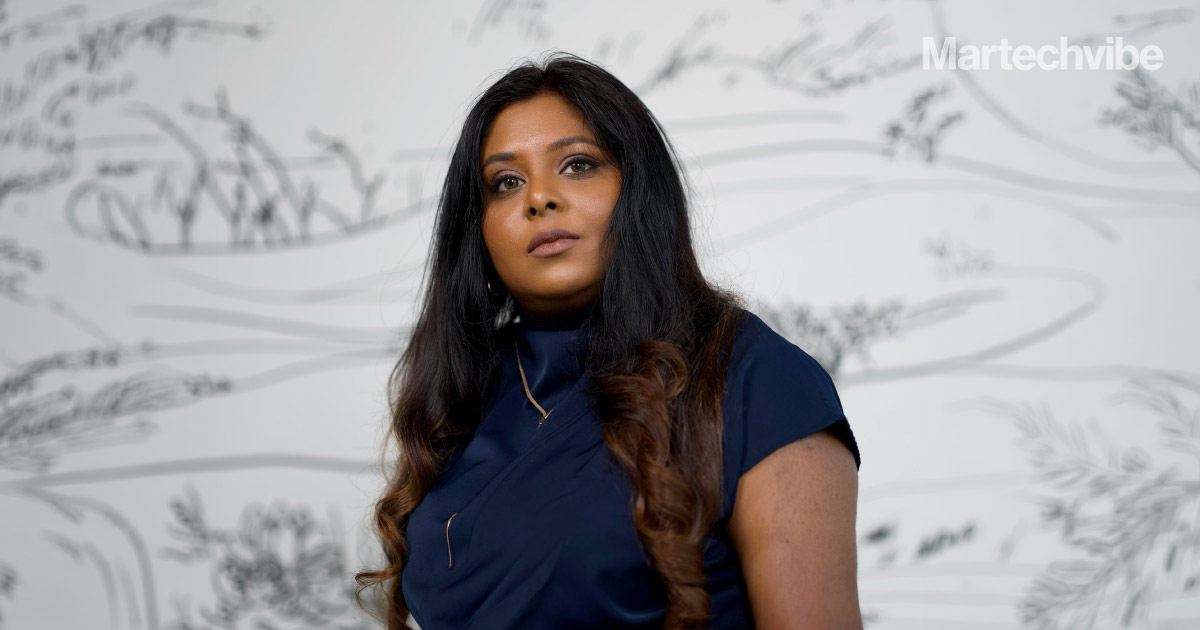
People may follow a hospitality brand because of a beautiful beach or an attractive offer, but they remain connected because of how the brand makes them feel, says Nina Mohamed, Cluster Director of Marketing & Communications at Mövenpick and Pullman Resort Al Marjan Island.
Topics
A beautiful resort can attract attention, but attention alone does not create a hospitality brand.
As destinations become increasingly competitive, hotels and resorts are being asked to do more than showcase rooms, beaches and amenities. They need to create experiences guests want to remember, stories they want to share and relationships that continue long after checkout.
For marketers, that means balancing emotional storytelling with commercial accountability. Social media can create visibility, but the stronger question is whether that attention translates into bookings, loyalty, restaurant visits, repeat stays and advocacy.
At Mövenpick and Pullman Resort Al Marjan Island, Nina Mohamed approaches that challenge through what she describes as “performance-led storytelling” — using genuine guest experiences as the foundation for brand narratives while connecting creative activity to measurable business outcomes.
“A beautiful story becomes commercially valuable when it moves people from inspiration to action. Performance-led storytelling protects creativity, but it also holds marketing accountable for contributing meaningfully to the business,” says Nina Mohamed, Cluster Director of Marketing & Communications at Mövenpick and Pullman Resort Al Marjan Island.
In this interview, she discusses why the best hospitality stories are often found in small moments, how resorts can build communities rather than simply audiences, what global brands should and should not localise, and how marketers can prove that a compelling story has moved beyond engagement to deliver commercial value.
Excerpts from the interview;
You describe your work as turning “moments into stories and experiences into legacies.” What makes a hospitality experience worth turning into a story, and how do you avoid manufacturing moments simply because they might perform well on social media?
For me, a hospitality experience becomes worth telling when it creates a genuine emotional connection, when a guest feels welcomed, surprised, understood or brought closer to the people they are travelling with.
The strongest stories are often found in the smallest details: a child completing their first hotel check-in, a family discovering something together, or a colleague remembering a guest’s personal preference.
Our role in Marketing and Communications is not to manufacture those emotions for the camera. It is to work with the operational teams to create thoughtful experiences with real value, then tell those stories honestly.
I always ask whether an initiative would still be meaningful if nobody posted about it. If the answer is yes, we have created something authentic.
Social media performance is important, but it should amplify a strong guest experience rather than dictate it. Trends disappear quickly; genuine memories stay with people. That is the difference between creating content for a moment and building a hospitality legacy.
Al Marjan Island is competing not just with other resorts, but with an endless stream of destinations competing for attention. How do you build a distinctive brand narrative for a place when the destination itself is part of the product?
When the destination is part of the product, the hotel cannot tell its story in isolation. Al Marjan Island’s coastal setting, views, pace of life and connection to Ras Al Khaimah must be woven into every stage of the guest experience, from the room and dining concepts to family activities, wellness and the stories we share externally.
For Mövenpick and Pullman, the objective is not simply to promote a room with a sea view. It is to show guests what staying on the island allows them to feel and experience. At Mövenpick, that may mean family discovery, private beachfront living, outdoor activities and destination-inspired programmes such as Little Explorers.
At Pullman, the narrative may be expressed differently through its own positioning, but it must still feel rooted in Ras Al Khaimah rather than interchangeable with another resort.
Distinctiveness also comes from connecting the property to the wider emirate. Ras Al Khaimah offers beaches, mountains, culture, adventure and a strong sense of place. By integrating local nature, stories, ingredients, partnerships and experiences into our campaigns, we position the resort as a gateway to the destination, not merely somewhere to sleep.
Ultimately, destinations compete for attention, but people remember how a place made them feel. Our responsibility is to translate the character of Al Marjan Island into experiences and stories that are recognisable, emotionally relevant and impossible to replicate elsewhere.
You’ve grown the resort’s community to 50K+ followers and reached millions monthly. What have you learned about the difference between building an audience and building a community, and what actually makes people stay connected to a hospitality brand after their visit?
Building an audience is about attracting attention; building a community is about earning an ongoing relationship. Follower numbers and monthly reach are important indicators, but they do not automatically translate into trust, loyalty or advocacy.
A real community engages with the brand, shares its own experiences, recommends the resort and continues the conversation long after checking out.
What keeps people connected is a combination of relevance, recognition and emotion. Guests want to see content that reflects real experiences and gives them a reason to return, new dining concepts, family activities, seasonal offers and stories about the people behind the resort. They also want to feel recognised.
Responding thoughtfully to comments, sharing guest-created content and remembering returning visitors make the relationship feel personal rather than transactional.
Consistency is equally important. We cannot communicate only when we have something to sell. Our platforms should entertain, inspire, inform and create a sense of belonging. Some of our strongest content focuses on small family moments, colleague personalities, behind-the-scenes stories and experiences that allow followers to imagine themselves at the resort.
Ultimately, people may follow a hospitality brand because of a beautiful beach or an attractive offer, but they remain connected because of how the brand makes them feel. When guests see themselves reflected in the story and feel part of the journey, the audience begins to become a community.
Having worked across the Maldives, Singapore, Muscat and the UAE, as well as with global brands such as Shangri-La and Accor, what changes when a global hospitality brand enters a local market, and what should never be localised?
When a global hospitality brand enters a local market, it must learn to speak with the character of that destination while remaining true to its core identity.
Having worked across the Maldives, Singapore, Muscat and the UAE, I have seen that guests respond most strongly when a brand respects local culture instead of simply applying the same global formula everywhere.
What changes is the expression of the brand. The storytelling, dining, experiences, partnerships and communication style should reflect the people, traditions and natural character of the market.
In Ras Al Khaimah, that means connecting our resorts to the emirate’s island setting, mountains, culture, family lifestyle and spirit of adventure. Localisation should feel meaningful and should be developed in collaboration with colleagues and communities who understand the destination.
What should never be localised are the brand’s fundamental values and standards: integrity, safety, quality, respect, inclusivity and genuine care for guests and colleagues. A brand must also protect the consistency of its core promise. Guests may experience it differently in each destination, but they should always recognise the same commitment to hospitality.
I see it as a balance between global confidence and local relevance. The brand provides trust, systems and a clear identity; the destination gives it soul. The most successful hotels bring those two elements together so naturally that neither feels imposed.
You describe your approach as ‘performance-led storytelling.’ What does that mean in practice? Which signals tell you that a beautiful brand story has actually moved the business?
Performance-led storytelling means beginning with a clear business objective and then building the creative story around it.
The content must still be emotional and visually compelling, but it should be designed to influence a specific outcome, whether that is increasing room bookings, driving restaurant traffic, supporting a new experience, improving direct-channel conversion or strengthening the resort’s position within a particular segment.
In practice, Marketing works closely with Revenue, Sales, Food & Beverage and Operations to identify need periods, target audiences and commercial priorities. We then create the right story, select the most relevant channels and partners and ensure the guest journey delivers on the promise made in the campaign.
The first signals are attention and engagement: reach, saves, shares, video completion, website visits and enquiries. However, the stronger indicators are booking-engine traffic, conversion, room nights, outlet reservations, package uptake, direct revenue, cost per acquisition and return on advertising spend.
We also monitor whether a campaign improves demand during a specific period or generates business across other resort facilities.
For example, a family campaign should not be judged solely by how many people watched the Reel. We examine whether it generated family bookings, increased chalet demand, encouraged participation in resort activities and strengthened earned media coverage.
A beautiful story becomes commercially valuable when it moves people from inspiration to action. Performance-led storytelling protects creativity, but it also holds marketing accountable for contributing meaningfully to the business.
ALSO READ: UAE’s Summer Heat is Rewriting the Restaurant Playbook