Superior Systems Design of Agentic Workflows will be a Competitive Advantage
Right now, AI defaults to a textbook approach that isn't always pragmatic or takes into account interesting context or human taste, says Martina Lauchengco, Author of LOVED, where she talks about how to rethink the marketing of tech products. “The winners will have systems that do a better job on that.”
Topics
With every enterprise in a race to launch AI projects, human resources need a mindset shift to make the tech work and work for the business to add value.
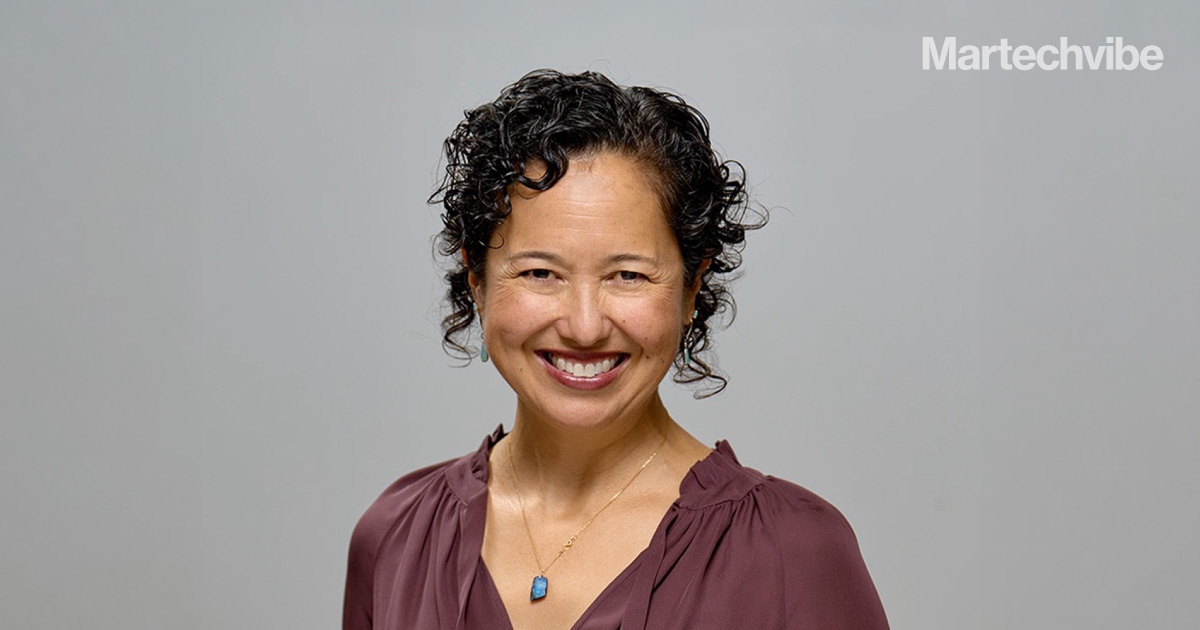
Martechvibe spoke to Martina Lauchengco, Author of the Amazon Bestseller LOVED, where she talks about how to rethink marketing of tech products. Lauchengco is also a Partner at Costanoa Ventures, a venture capital firm that invests in early-stage startups in AI infrastructure.
According to her, the question isn’t “what can an AI agent do for me?” It’s “how do I use AI to teach me how to use it better?” She isn’t talking about using LLMs to improve one’s prompts. capabilities. It’s important to engage with them as a thought partner, not just a tool to execute a task, she says.
This will also help address the essential challenge for every organisation rolling out AI: how do we know we can trust what it says? “The models work with what they’re given. I see the responsibility being on the business and the infrastructure they put in place to make the data and context feeding AI trustworthy.”
In this interview, Lauchengco discusses why marketing leaders should focus on quality over volume, why go-to-market has become a bigger challenge than product development, how organisations should approach accountability as AI becomes more autonomous, and where competitive advantage will come from when access to AI is no longer the differentiator.
Excerpts from the interview;
AI agents are the industry’s biggest talking point right now. What’s the one shift marketing leaders still aren’t paying attention to?
I often see marketing leaders think of being “AI-first” as going fully agentic, automating complex workflows. Yet, at the same time, I’m seeing a lot of AI marketing slop. The bigger win is using AI to improve marketing quality, not just generating more outputs. Small skills help a lot here.
The most useful one I’ve used with teams is a Customer Sceptic: it represents the customer’s point of view and rates its readiness on a scale from 1-10. There is nothing this simple skill hasn’t made better.
You’ve said that becoming AI-native is less about adopting tools and more about changing how organisations think and operate. As AI agents become more capable, what mindset do you think marketing leaders need to unlearn first?
The mindset shift is in rethinking AI as a tool to direct. The question isn’t “what can an AI agent do for me?” It’s “how do I use AI to teach me how to use it better?” I don’t just mean using LLMs to improve one’s prompts.
What AI can do has already changed from three months ago; only the models know their own capabilities. It’s important to engage with them as a thought partner, not just a tool to execute a task.
Product teams are shipping AI features faster than GTM teams can position them. Has go-to-market become the industry’s biggest bottleneck?
Yes, every company I work with says GTM isn’t just the bottleneck; it is the harder problem to solve. When building a product is easy, differentiation and distribution are what’s hard.
The same shift that happened on the product side–building and iterating quickly–is now possible on the GTM side. We just have to ask the right questions, and be honest about what makes the marketing we do better.
Every martech company has an AI agent story today. As an investor, what tells you a company is solving a real problem versus chasing a trend?
Companies need to provide clear value to customers on day one. Some amount of trend chasing is needed for relevance, but I also look for depth of understanding of the problem, together with a clear vision of where marketing is going. Then the velocity of product iteration, and how creatively they adapt to what they learn.
As AI agents grow more autonomous, accountability gets harder to pin down. If an AI decision damages customer trust, who’s responsible: the marketer, the business, or the provider?
This is the essential challenge for every organisation rolling out AI: how do we know we can trust what it says? The models work with what they’re given. I see the responsibility being on the business and the infrastructure they put in place to make the data and context feeding AI trustworthy.
That said, each person is ultimately responsible for their work. If something’s wrong because AI made a mistake, you still have to own it as your mistake.
Once every company has access to the same AI models, where does real competitive advantage come from? And five years from now, what belief about AI agents do you think we’ll realise was wrong?
Competitive advantage will come from those who do superior systems design of agentic workflows. Right now, AI defaults to the textbook approach that isn’t always pragmatic or takes into account interesting context or human taste. The winners will have systems that do a better job on that.
AI raises the floor; generating above-average work is already easy. Five years from now, we’ll realise how important it is to define exceptional quality work. Marketing with novel thinking or approach will be what distinguishes the best from the rest. Right now, AI agents aren’t good at that.
As marketing automates itself, has efficiency started crowding out what actually makes brands memorable?
Currently, AI has a strong signature if you spend enough time with it. It always goes for the logical, likely version. So no, I don’t think it will crowd out what makes brands memorable. It will do the opposite: make the more memorable, thoughtful brands really stand out.
ALSO READ: Treating Acquisitions and Pricing with Separate P&Ls is Where Value Leaks