Retailers Expanding Self-Checkout Despite Challenges
Retailers are expanding the use of self-checkout despite some shortcomings. The companies are looking to provide labour savings, meet customer demand and are encouraged by improved technology. Self-checkout, which debuted in the late 1980s at supermarkets, has spread to mass merchants, discount apparel stores and department stores. Kohl’s has tested it, H&M has introduced and […]
Topics
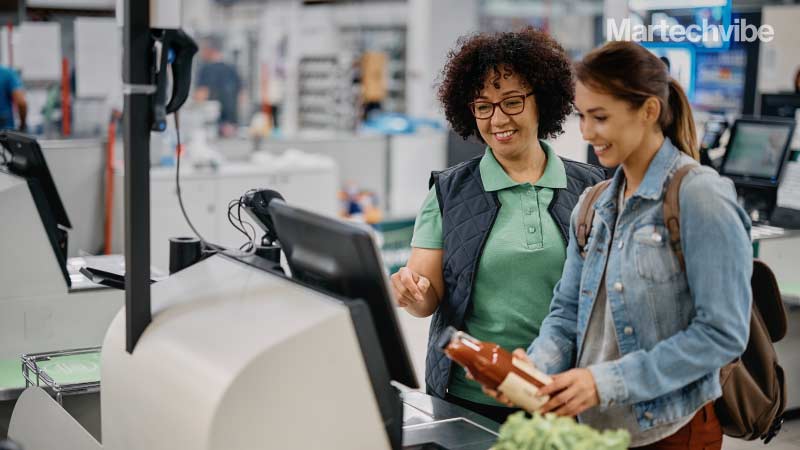
Retailers are expanding the use of self-checkout despite some shortcomings. The companies are looking to provide labour savings, meet customer demand and are encouraged by improved technology.
Self-checkout, which debuted in the late 1980s at supermarkets, has spread to mass merchants, discount apparel stores and department stores.
Kohl’s has tested it, H&M has introduced and will add it to 30 stores while Bed Bath & Beyond has added it to several locations.
The number of cashiers is expected to fall by 10 per cent over the next decade, partly due to self-checkout, according to the Bureau of Labor Statistics.
Nonetheless, retailers acknowledge there have been some issues with self-checkout.
A survey of 1,000 shoppers last year found 67 per cent experienced a failure at a self-checkout lane, and errors are common, resulting in TikTok videos of customers complaining of “unexpected item” alerts.
Customers also make errors scanning barcodes and sometimes steal items at unstaffed self-checkout areas.